







Experienced team of lawyers with expertise in various areas of law. Our lawyers have extensive experience in providing effective and professional legal support to our clients.

Savin Vaić
Partner / Lawyer

Marija Dvorničić Vaić
Partner / Lawyer

Nikola Vaić
Founder



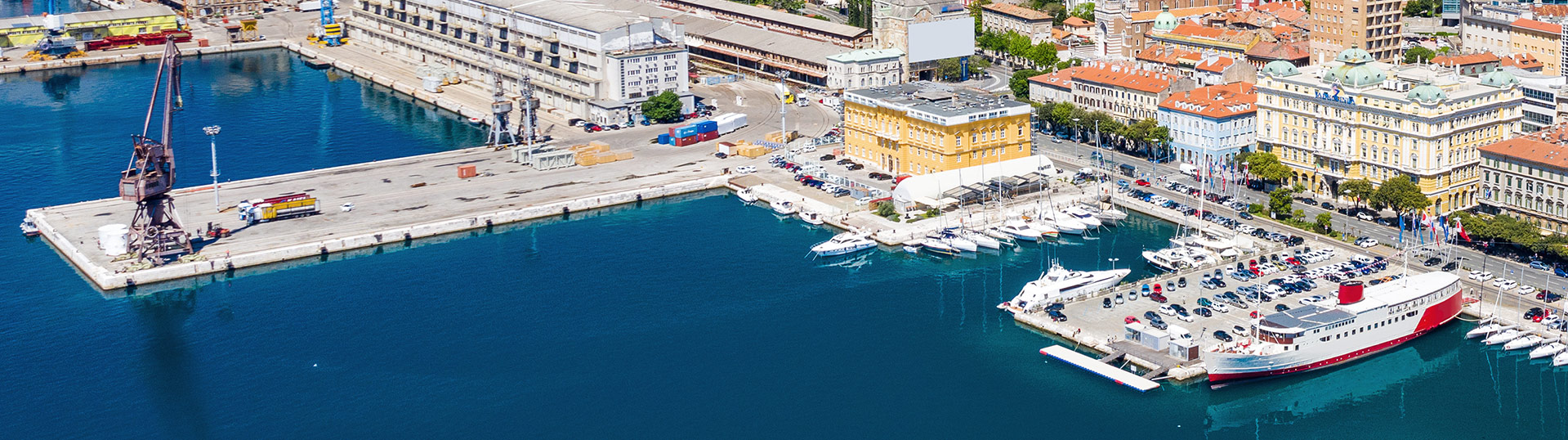

Law firm Vaić & Dvorničić Ltd. – Your law firm in Rijeka and Krk, Croatia
Since 1939, Law firm Vaić & Dvorničić has been your trusted source for professional legal advice in Rijeka. Our experienced team of lawyers is committed to representing your interests with dedication and expertise, ensuring your complete satisfaction. We offer tailored solutions for every legal challenge and stand by your side every step of the way.
Contact us now

What our clients say about our services on the leading legal platform ANWALT.DE
Our lawyers will also represent you in civil litigation cases such as divorce, child and spouse maintenance.

Received comprehensive, well-founded legal advice.

I visited the law firm Vaic in Rijeka because my Croatian is not very good, and I needed professional support in inheritance and construction law in German. I was mainly assisted by Ms. Petra Prodega, a very kind and accommodating attorney. The entire team was extremely professional and was able to address and resolve all my questions and issues quickly. I was particularly impressed by the firm's price-performance ratio, with which I was absolutely satisfied. The results we achieved were to my complete satisfaction. I can wholeheartedly recommend the law firm Vaic and will gladly use their services again if needed.

For about two years, I have been verbally attacked by a direct neighbor in Croatia—whether in front of my apartment or on the street; wherever I went, he would show up and attack me. It got to the point where I no longer dared to go outside. I sought legal advice from the law firm Vaić & Dvorničić. Even the first phone contact was very pleasant. I was asked to send the details of the situation via email to the law firm, and I can wholeheartedly recommend this office. The firm works efficiently, quickly, and accurately. I felt very well supported and hope that, thanks to the written warning issued by the firm, the neighbor will stop his verbal attacks!

As a project manager, I was referred to Mr. Dr. Savin Vaic to help me find a property in Croatia for a request from my client. After just a few phone calls, he understood what we were looking for. Now comes the viewing and an in-person meeting on-site, and I expect a successful continued collaboration.

Quick response and processing. Great.

Very professional

Quick response to my question!

I would have wished it had been a bit more detailed.

Mr. Vaic responded quickly and also addressed my follow-up question.

Very good

Mr. Attorney Savin Vaic responded very quickly and in German. His information was competent and helpful. I will definitely visit him as soon as I am in Rijeka.

Very quick response and very competent.

Very competent and always reachable. Thank you.

Quick response; fast and good processing/advice

Quick response and competent handling of the matter.
Law firm Vaić & Dvorničić Rijeka and Krk, Croatia
Since 1938., Law firm Vaić & Dvorničić has been providing professional legal advice as a trusted law firm in Rijeka. With profound experience and dedication, we represent our clients’ interests across various areas of law. Rely on our expertise and commitment to handle your legal matters.
Discover our expertly written legal articles for in-depth guidance in
Croatia
Our legal articles provide precise insights into complex legal issues and current
developments, offering well-founded knowledge and practical solutions to support your decisions.
ALL ARTICLES
Frequently asked questions
Find answers to the most common legal questions–our lawyers help you understand complex legal matters. Competent advice and clarity for all your legal needs.
What services do you offer for international clients?
We provide comprehensive legal advice in areas such as real estate law, company formation, tax law, and inheritance law. Our team is experienced in handling the legal specifics for German and Austrian clients.
Do I need a Croatian lawyer to buy property in Croatia?
Yes, it’s advisable to involve a lawyer to ensure legal security throughout the purchasing process. We assist you from contract review to ownership transfer.
How do you support clients with company formation in Croatia?
We provide complete guidance and assistance for establishing a company, including registration and all legal requirements. Our goal is to make the process as smooth as possible for you.
In which languages do you offer your services?
We offer our services in Croatian, German, and English. This ensures all legal matters are communicated clearly and comprehensibly.
Can I consult with you online?
Yes, we offer online consultations via video call or phone, providing flexible and location-independent service. This allows us to serve international clients conveniently.
Do I need a Croatian tax number to set up a business?
Yes, a Croatian tax number is required to register a business in Croatia. We are happy to assist with the application and other administrative steps.
How does inheritance work for foreign nationals in Croatia?
Croatia recognizes the inheritance rights of foreign nationals, though specific Croatian regulations apply. We support you in managing and meeting all legal requirements.
Are my documents from Germany or Austria also valid in Croatia?
Some documents may need to be apostilled or notarized in Croatia to be legally valid. We can advise you and assist with the legal recognition of your documents.
What are the differences between German and Croatian real estate law?
Croatian real estate law includes specific regulations that differ from German law, especially regarding property transfer. We guide you to minimize legal risks in property purchases.
Do you also provide support for visa and residency matters?
Yes, we assist international clients in applying for visas and residence permits in Croatia. Our team helps you complete the necessary formalities efficiently.
How can I ensure a property in Croatia is legally sound?
A thorough review of land registry entries and legal documents is essential. We conduct this review for you to ensure the property is free from encumbrances.
What legal steps are needed for a business acquisition in Croatia?
A business acquisition requires careful legal planning and compliance with Croatian regulations. We assist in reviewing and handling all legal aspects of the acquisition.
How does Croatian labor law differ from German law?
Croatian labor law has specific regulations on working hours, dismissal protection, and social security. We offer comprehensive advice to help you meet Croatian requirements in your HR policies.
How do you handle communication with international clients who cannot travel to Croatia?
We accommodate international clients by offering online consultations and flexible communication options. This allows us to provide efficient legal support regardless of your location.
What is the process for resolving disputes in Croatia?
Dispute resolution in Croatia can involve negotiation, mediation, or court proceedings, depending on the case. We guide you through each step to achieve the best possible outcome.


